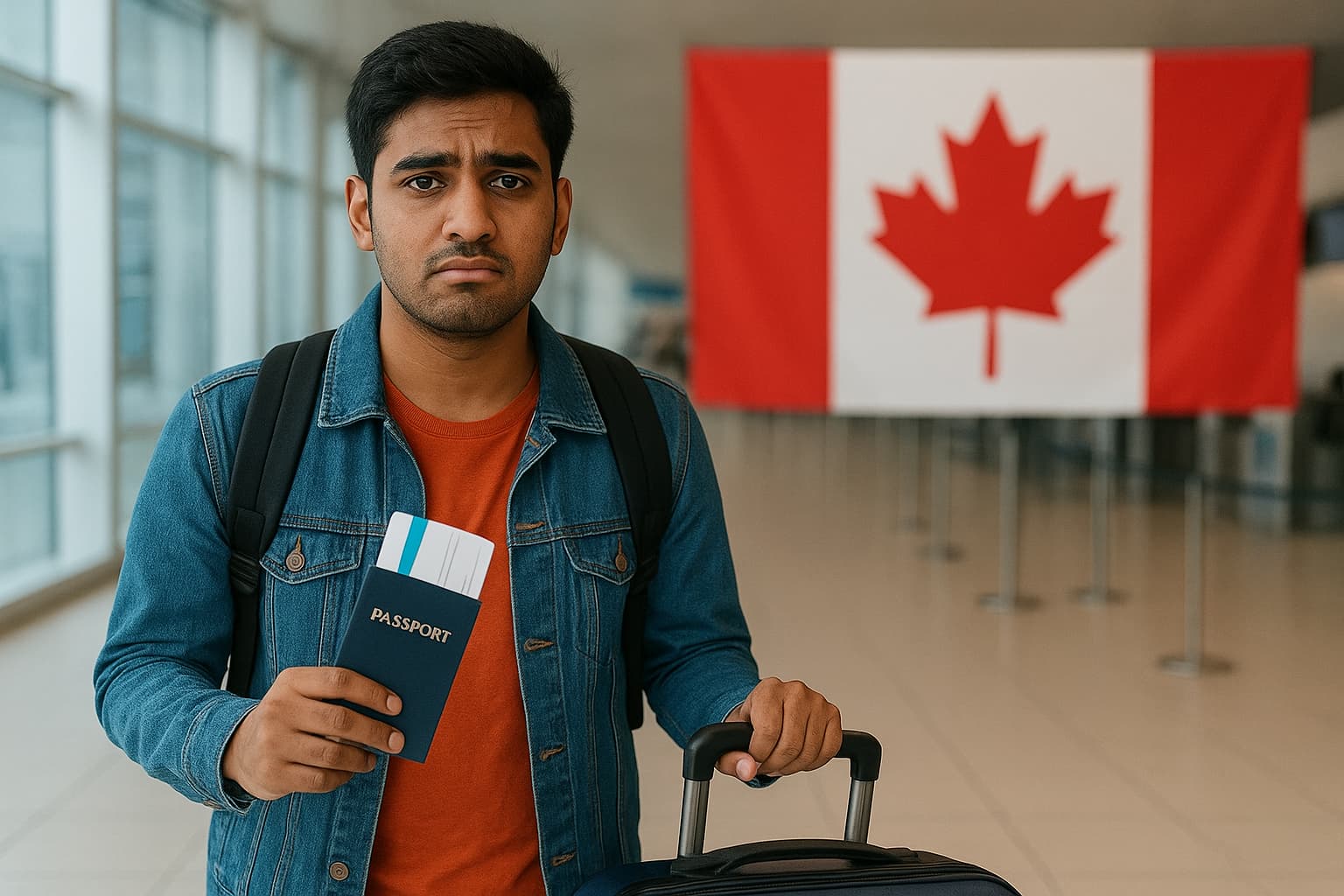
In a worrying trend for Indian students, Canada rejected nearly three out of four study permit applications from India in August 2025, according to data from the IRCC cited in recent reports. The rejection rate has surged to 74%, up from just 32% in 2023, marking the sharpest increase among all nationalities.
The overall global rejection rate stood at 40%, while only 24% of Chinese applicants were denied. The number of Indian applications also fell sharply, from 20,900 in August 2023 to 4,515 this year, making India both Canada’s top source of applicants and the country with the highest visa refusal rate.
Why Are Indian Visas Being Rejected?
Canadian authorities cite fraudulent activities and stricter verification checks as key reasons:
-
In 2023, officials uncovered over 1,550 fake study permit applications, mostly from India.
-
Advanced verification systems later flagged 14,000+ questionable letters of acceptance.
-
Authorities have since tightened background checks and raised the minimum financial requirements for international students.
The situation is also tied to strained India–Canada relations, following former PM Justin Trudeau’s 2023 allegations against India. Since then, bilateral relations have cooled, affecting trade, visas, and educational exchanges.
Canada’s Changing Immigration Priorities
While student visa approvals have fallen, Canada is now targeting skilled professionals and researchers:
-
A new accelerated pathway for H-1B visa holders is being launched.
-
C$1.7 billion (₹10,400 crore) will fund the recruitment of 1,000+ top international researchers.
-
Immigration plans aim to reduce temporary residents to below 5% of the population by 2027.
-
Study permit targets have been cut by half, from 305,900 to 150,000 annually by 2027.
What This Means for Indian Students
This shift signals a tougher global environment for international students. Canada’s visa scrutiny has risen sharply, and even the UK and the US have tightened post-study work and visa norms. The message is clear: students will need stronger documentation, genuine admission offers, and solid financial proof; there are no shortcuts.
Those planning for Fall 2026 or later should start early, verify offers carefully, and explore multiple countries instead of relying on a single destination.
Planning your next steps? Join GD Connect, where alums and experts share real visa experiences, policy updates, and practical study-abroad advice.
Source: Financial Express, Bloomberg, Economic Times