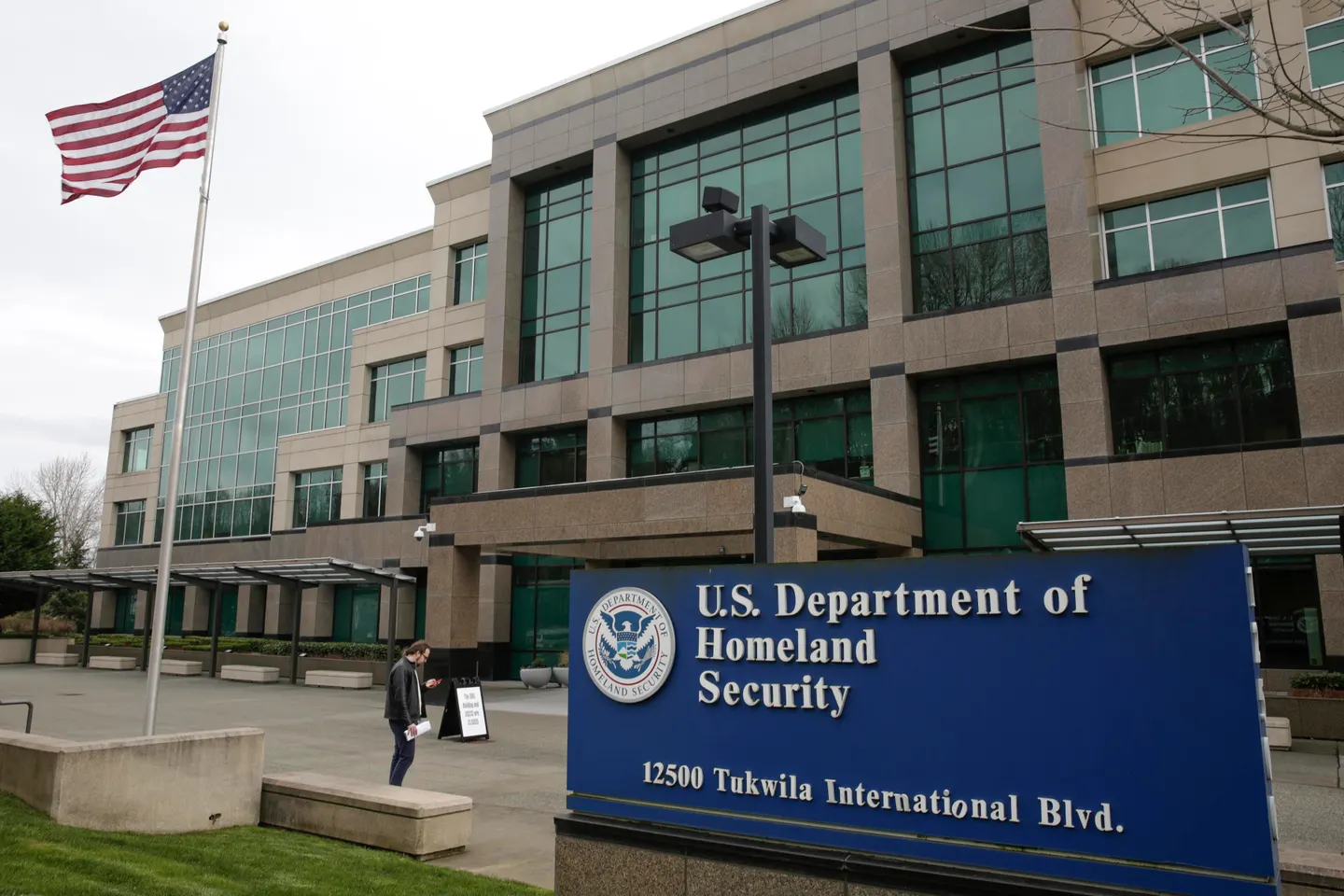
The Trump administration is preparing a new immigration rule that could end or severely restrict Optional Practical Training (OPT), a program that allows international students to gain work experience in the U.S. after graduation. The rule, expected to be finalized by late 2025 or early 2026, is listed on the Department of Homeland Security’s (DHS) regulatory agenda and is reportedly being shaped by White House advisor Stephen Miller.
OPT currently allows international students to work for 12 months after graduation, while STEM graduates can extend this period by an additional 24months. Over 240,000 students were on OPT and STEM OPT in the 2023–24 academic year, according to official data.
Immigration Option 1: Eliminate OPT and STEM OPT
Officials such as USCIS Director Joseph Edlow have openly expressed support for removing employment authorization for F-1 students after graduation. If implemented, this would effectively end post-study work rights. Experts warn that such a move could face legal challenges from universities and businesses that rely on global talent.
Immigration Option 2: Keep OPT, Add Stricter Rules
If not scrapped, the administration may tighten OPT regulations by:
- Imposing new wage or compliance burdens on employers
- Introducing “extreme vetting” for applicants
- Potentially linking work authorization to fixed visa durations instead of “duration of status”
Economic and Policy Backlash
Economists argue that ending OPT would harm U.S. innovation, productivity, and competitiveness, resulting in a reduction in economic output equivalent to that of a state like Utah or South Carolina (approximately ₹30–35 lakh crore). Studies also show no evidence that OPT harms American workers.
Ironically, Trump said in a 2024 podcast that he wanted graduates to “automatically get a green card” to stay and work in the U.S., a stance that directly contradicts the new rule being planned.
For Indian students, these proposed changes could mean fewer post-study work options, more challenging H-1B transitions, and increased uncertainty about long-term U.S. career prospects.
Stay updated on global education and visa policy changes, ask questions, join discussions, and get real insights from alumni and experts on GD Connect.
Source: Forbes