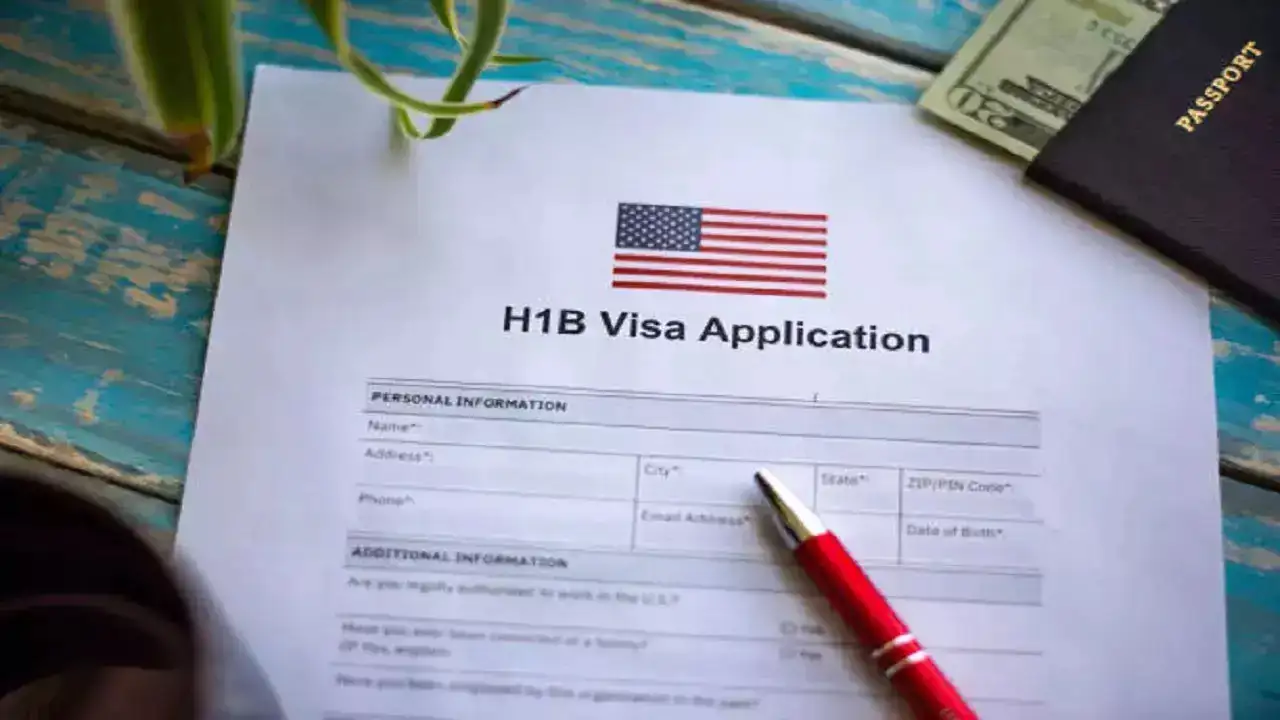
The U.S. just changed the rules of the game, and it’s sending shockwaves through the Indian student community.
From February 27, 2026, the U.S. will scrap the H-1B visa lottery system and replace it with a wage- and skill-based selection model. This means H-1B visas will no longer be randomly allotted. Instead, higher-paid, higher-skilled foreign workers will be prioritised.
Sounds harsh? Maybe. But for serious, high-skill Indian students, this might actually be a long-term win.
What Exactly Has Changed?
The U.S. Department of Homeland Security (DHS) has announced that:
- The random lottery system is being replaced
- Selection will now be weighted towards higher salaries and skills
- The rule applies to the FY 2027 H-1B cap season
- Annual H-1B caps remain the same:
- 65,000 regular visas
- 20,000 extra for U.S. master’s & PhD holders
The government claims the old system was being “exploited” by employers who hired foreign workers at lower wages, thereby undercutting American jobs.
Why This Is Controversial (and Why You Should Care)
Let’s be honest, this change raises the bar:
- Entry-level roles may find it harder to qualify
- Salary negotiations will matter more than ever
- Employer quality will outweigh employer quantity
But here’s the upside👇
For Indian students investing heavily in U.S. education, this could:
- Reduce mass applications and fake consultancies
- Reward top universities, STEM degrees, and niche skills
- Push employers to offer better salaries, not cheaper labour
One More Big Catch
The rule aligns with earlier Trump-era policies, including a proposed H-1B fee hike to $100,000 per visa (≈ ₹83 lakh). That alone ensures only serious employers stay in the game.
What Should Indian Students Do Now?
- Choose high-ROI, skill-heavy courses
- Target industries that pay, not just hire
- Plan careers, not just admissions
The lottery is gone. Confusion isn’t optional anymore. Get clarity from seniors and experts on GD Connect before you make a costly study-abroad decision.
Source: Hindustan Times